


The opening scene of Amazing Grace, the wonderful movie about the life of Christian statesman William Wilberforce, shows a sickly, aging Wilberforce stopping his carriage in the rain to stay the hand of a man beating his horse.

Wilberforce was a founder of the Royal Society for the Prevention of Cruelty to Animals, which opposed the use of animals for sport (such as breeding bulldogs to fight bulls or pitbulls to fight each other). He saw animal cruelty as contributing to the overall coarsening of society, as well as the corruption of the soul. If man can treat animals cruelly, and if slaves are also less than full human beings, then they can be treated cruelly as well.
Inspired by Wilberforce’s view, our firm, The Clapham Group, took on the Humane Society as one of its first clients, helping them build out their work with faith communities. The outcome from one of our early projects with them was a published paper from Wheaton’s Jerry Root on C.S. Lewis’ writing on animals (you can download the excellent paper here), in which he concludes:
The matter of the mystery of animals, the matter of sharing life with them on this planet, the matter of animal pain, and human responsibility for the animals are all topics that call for serious attention; certainly Lewis thought so. Some of his earliest work in Christian apologetics concerned itself with the matter and some of his last letters are still addressing the topic. This is a subject of great importance and the time given to wrestling with each feature of it is well worth the investment.
We have supported multiple initiatives that explored the relationship between faith and animal welfare, including the documentary Eating Mercifully. The most robust of these is the Every Living Thing initiative, which invites Christians to celebrate the wonder and beauty of God’s creation and commit to compassionate living. The initiative is built around the Evangelical Statement on Responsible Care for Animals, which was signed by over 100 Christian theologians, ministry leaders, and scholars, as well as by more than a thousand individual believers. This statement, in the tradition of Wilberforce, Lewis, and John Wesley, provides a framework for conversation about the redemptive work of God’s grace as He is making all things new, including our relationship to His creation.
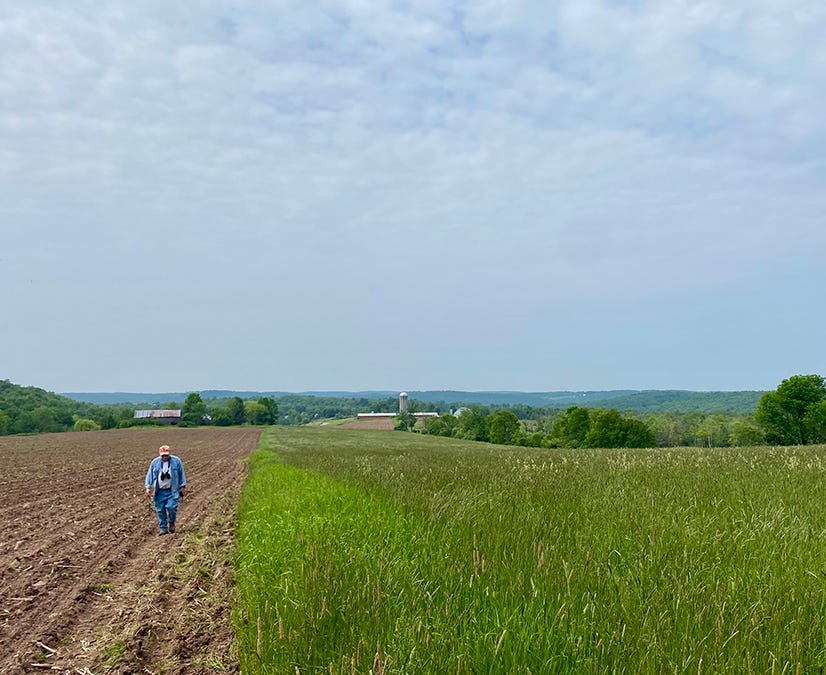
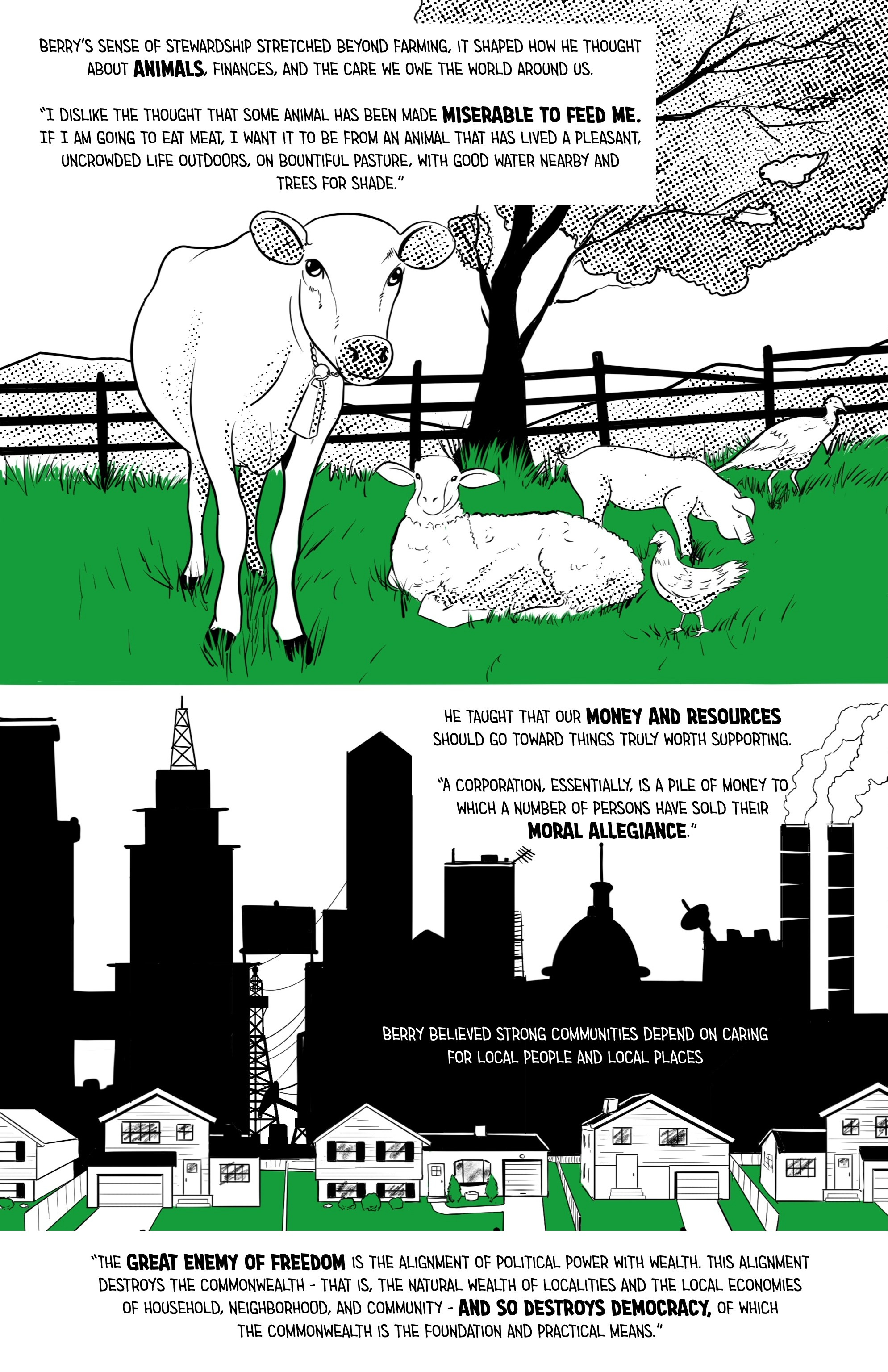
Wendell Berry also evidences a biblical, thoughtful approach to creation stewardship. Berry is a witty poet, farmer, scholar, novelist, and communitarian. His essays challenge the corporate takeover of our rural communities, while his short stories celebrate those communities, especially Port Royal, Kentucky. On the question of stewardship. Berry wrote,
Our destruction of nature is not just bad stewardship, or stupid economics, or a betrayal of family responsibility; it is the most horrid blasphemy. It is flinging God’s gifts into His face, as if they were of no worth beyond that assigned to them by our destruction of them.
Although not a theologian, Berry wove the fabric of faith throughout his stories and poetry, reflecting both his reality and that of his fictional characters. You can’t be true to rural Kentucky and not have at least a thread of faith in your work.
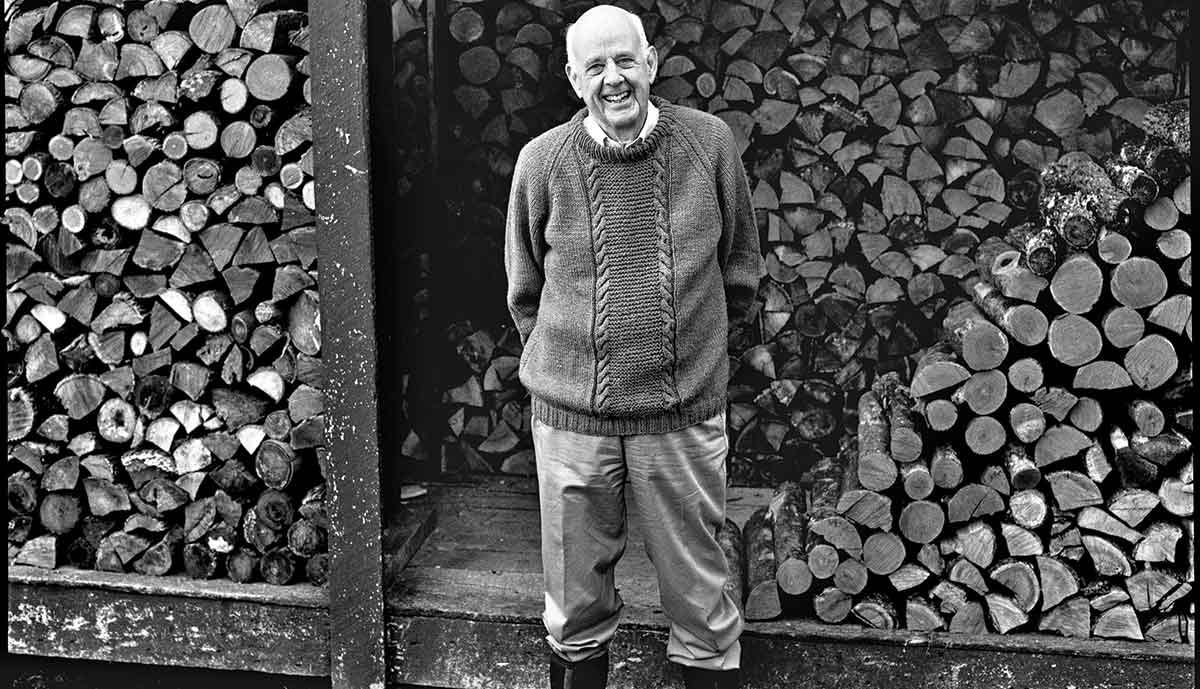
This is the life of Preston, Jess, and Angela Correll from Stanford, Kentucky, just south of Port Royal. Their lives reflect the holistic approach of faith permeating life and community that we are called to live out as followers of Christ.
Jess is the founder and chairman of the board at First Southern Bancorp and an advocate for responsible fiscal stewardship, including generous giving. He is also both an art collector and an artist himself. He encourages families to balance their checkbooks using biblical principles.
Angela, Jess’s wife, is a fiction and non-fiction writer, small business owner, restaurateur, and gracious host for visitors to Stanford. She understands that an expression of God’s kingdom is beauty and excellence, and is committed to both in her work and her hospitality.

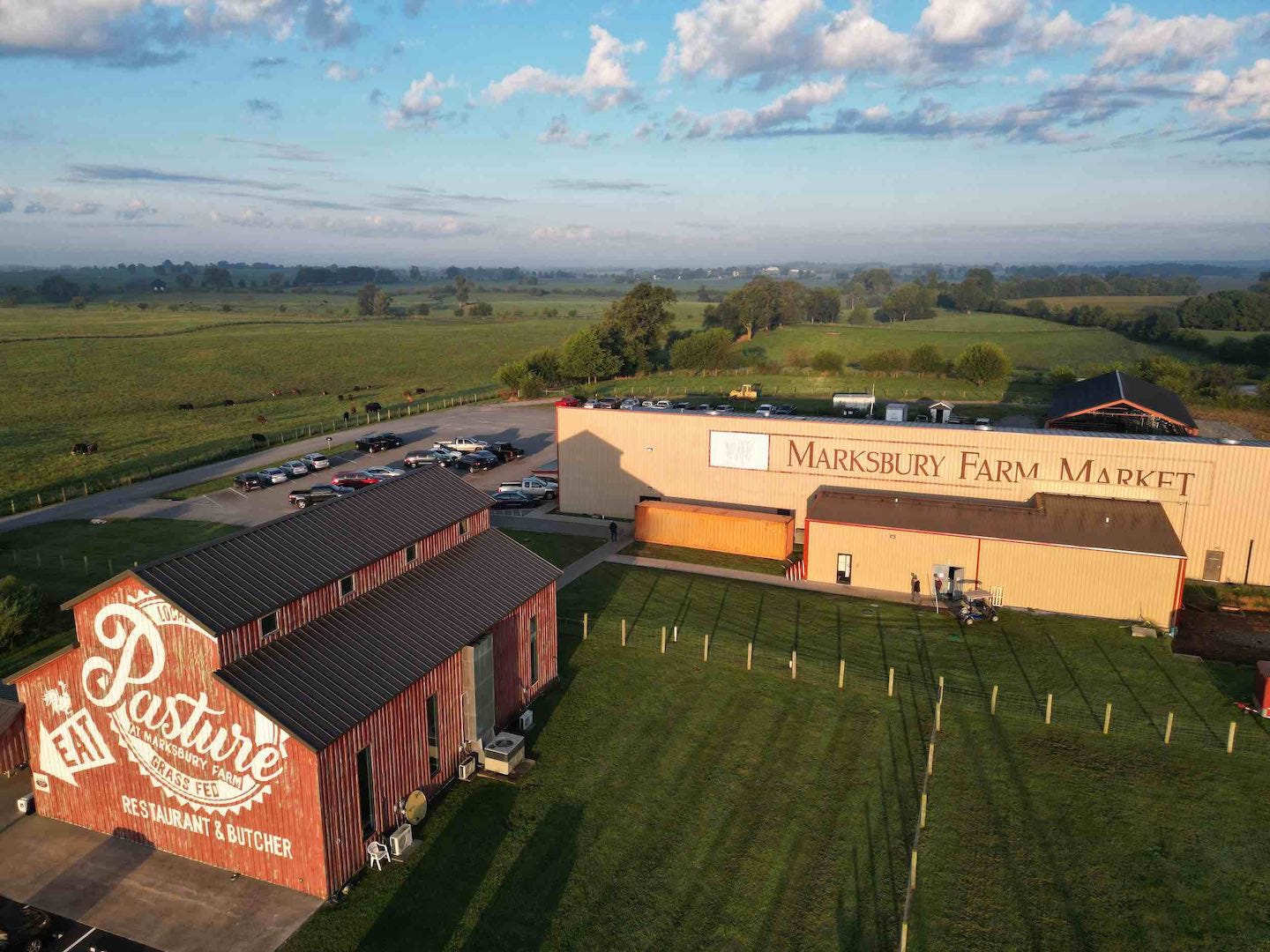
Jess’s son, Preston, focuses on sustainable farming and raising healthy animals. He also co-founded Marksbury Farm, which prioritizes healthy food, animal welfare, and environmental stewardship. He approaches his work with animals and land from a biblical perspective– incorporating times of rest and rejuvenation.
Over the years, the Corrells and I have worked on a number of projects together, including a writers’ retreat they host in Stanford named Good Lit. The title is drawn from C. S. Lewis’s sentiment that “The world does not need more Christian literature. What it needs is more Christians writing good literature.”
Knowing of our mutual respect for the work of Wendell Berry, Clapham’s sister production company, More Productions, was honored to work with the Corrells and Rabbit Room during the COVID shutdown to produce a film production of Wendell Berry’s only play, Sonata at Payne Hollow. The film is a combination of a love story and a ghost story involving Harlan and Anna Hubbard, a real-life couple who lived a life filled with art and music along the Ohio River. Inspired by Berry’s friendship with this couple, this film is both an ode to them and an instructive source of encouragement regarding our relationships with one another and with the created world.
Although the Corrells have three very different vocational callings, they share a deep commitment to the well-being of their hometown of Stanford and its people. Their efforts are not undertaken in isolation or motivated primarily by personal gain. Rather, the Corrells invest authentically in enabling their neighbors and community institutions to flourish. As an unmistakable part of their community’s fabric, they model salt-and-light living by stewarding their resources with a Kingdom mindset and by promoting a vision for flourishing through story and art.
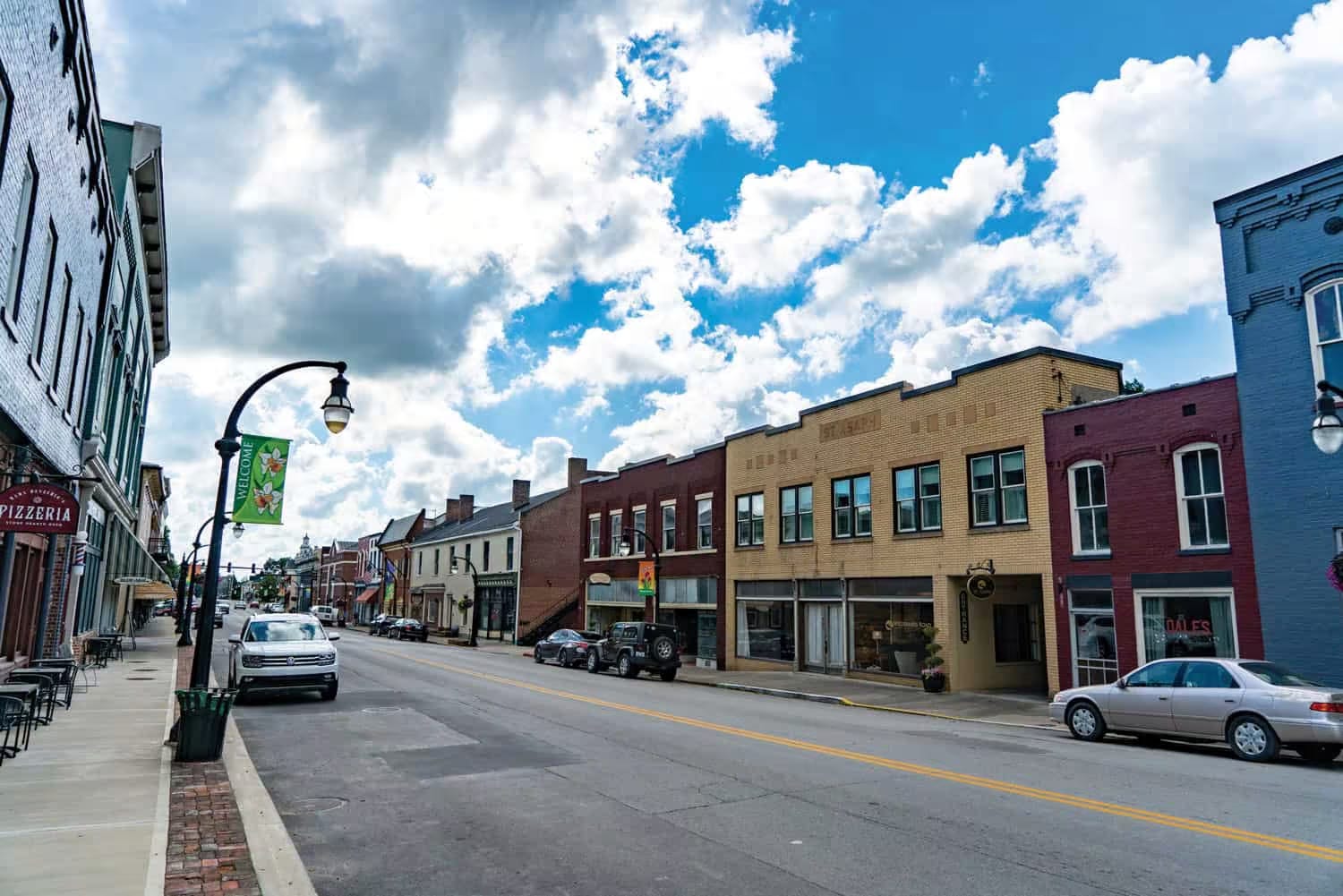
Much more could be said about the faith, lives, and commitments of these saints from Kentucky, but it is their commitment to being salt and light in a local community, incarnating a Kingdom vision holistically and applying Biblical principles practically that is an encouragement to our living faithfully in this “now but not yet” world we are in.
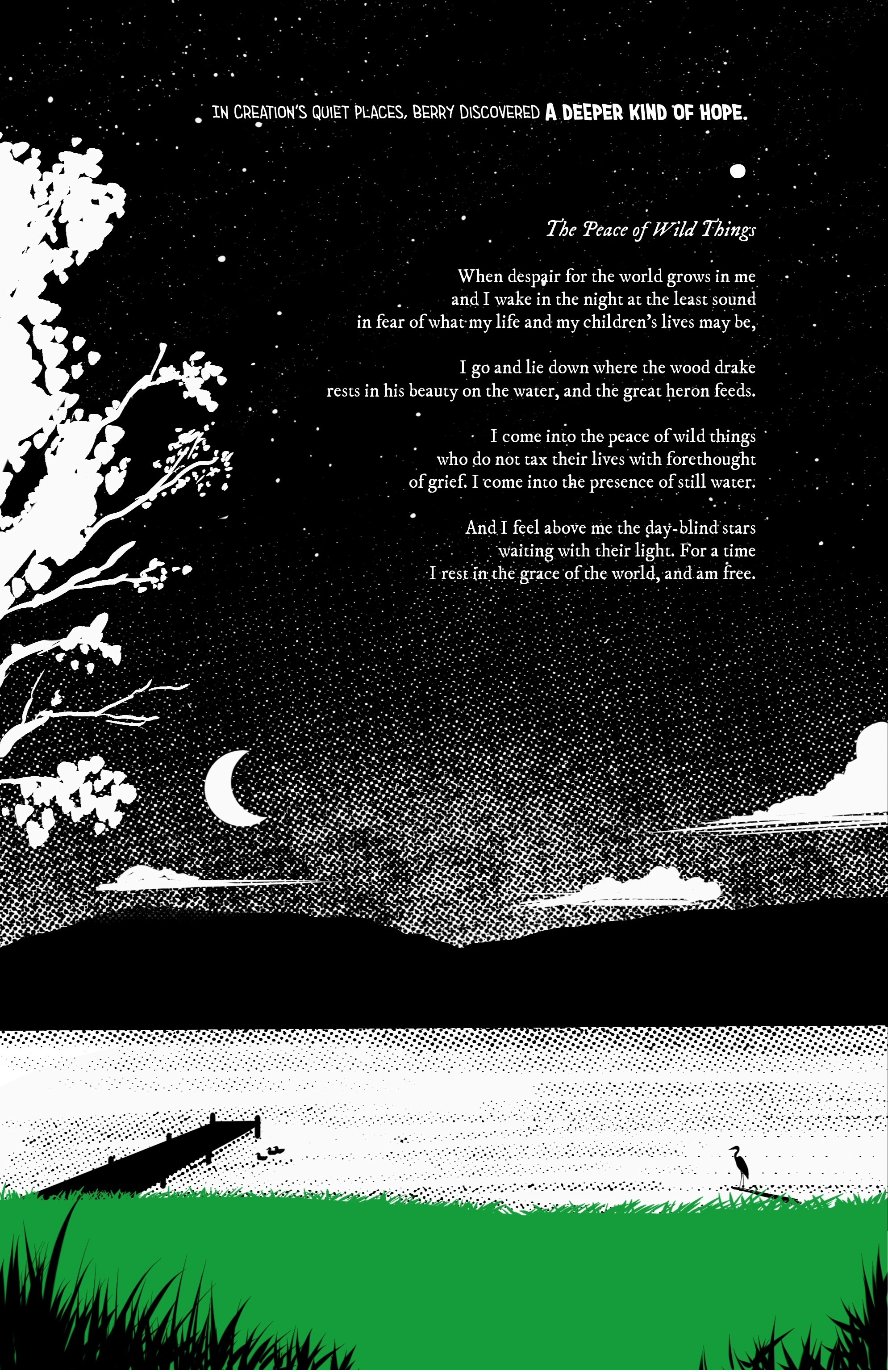
For this series, we interviewed Jess, Angela, and Preston. We have posted both videos of the interviews and transcribed excerpts from the conversations, so that you can hear from them directly. We have also selected aspects of Wendell Berry’s life and work for illustration in the accompanying comic series, which we believe will inspire you to live holistically.
Each of our lives is a thread in the tapestry that God has woven together as the church, and when we are rooted in community, the beauty of his design is further revealed in full color.
Read the Full Comic Below:
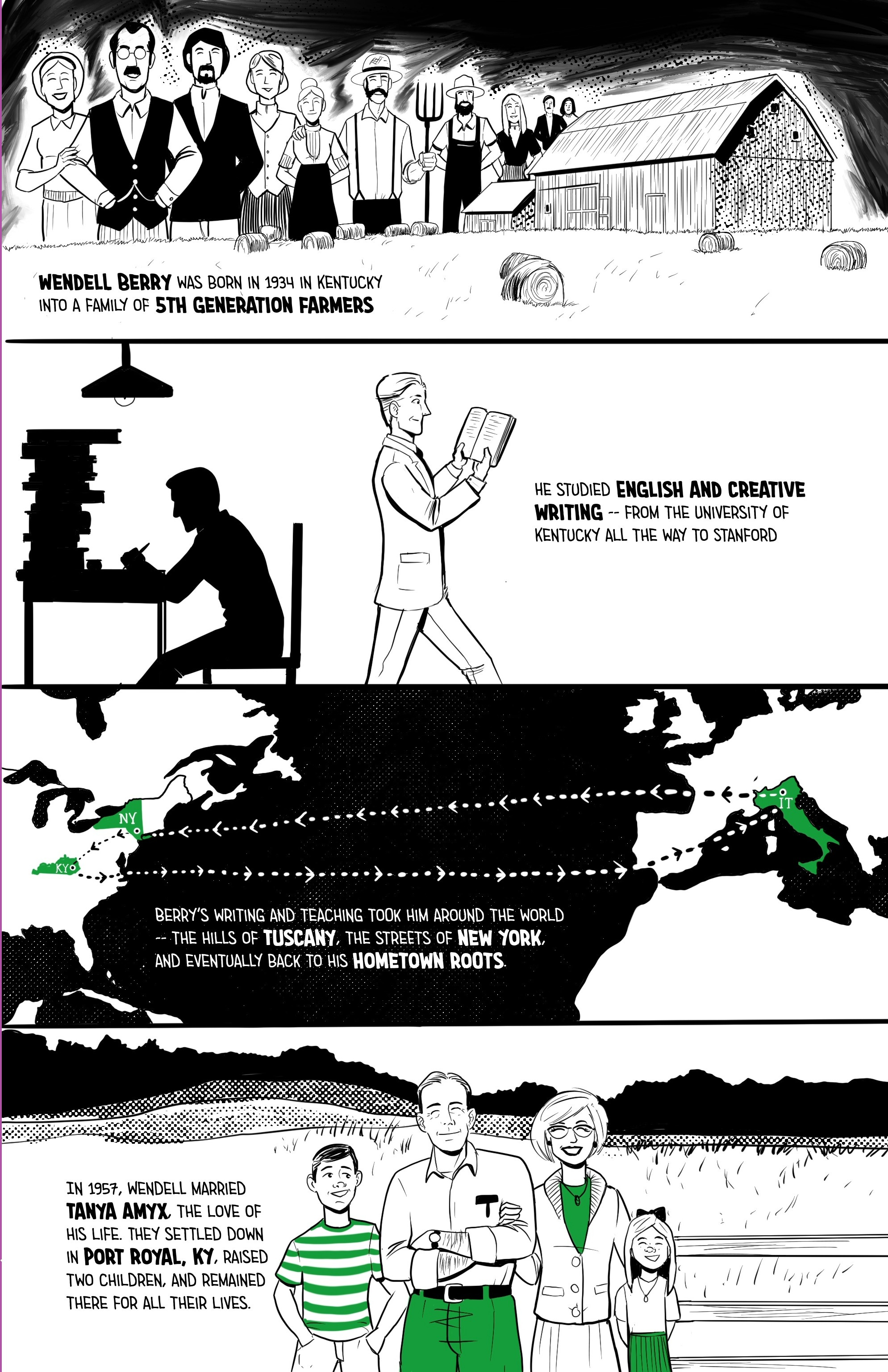
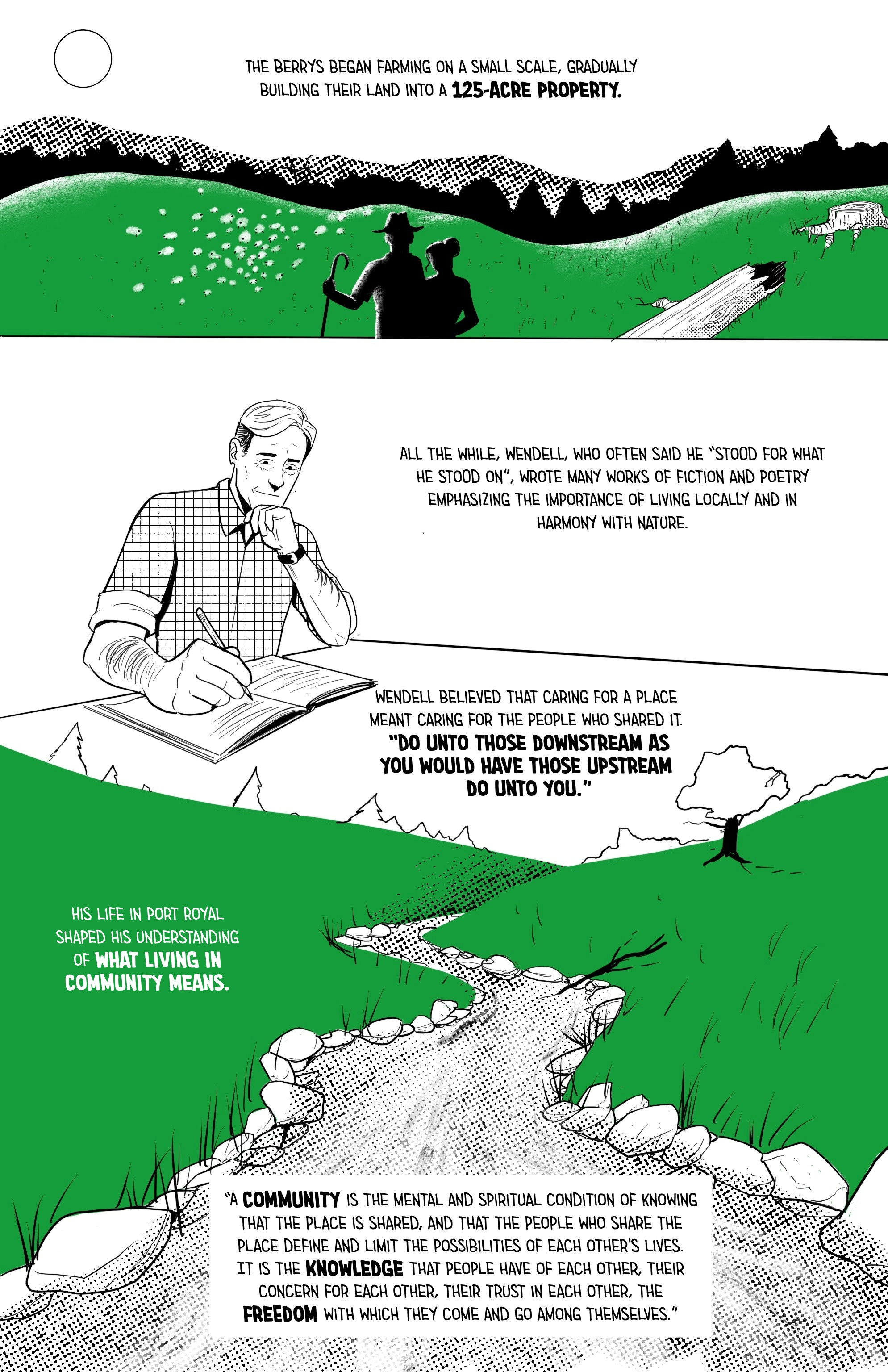
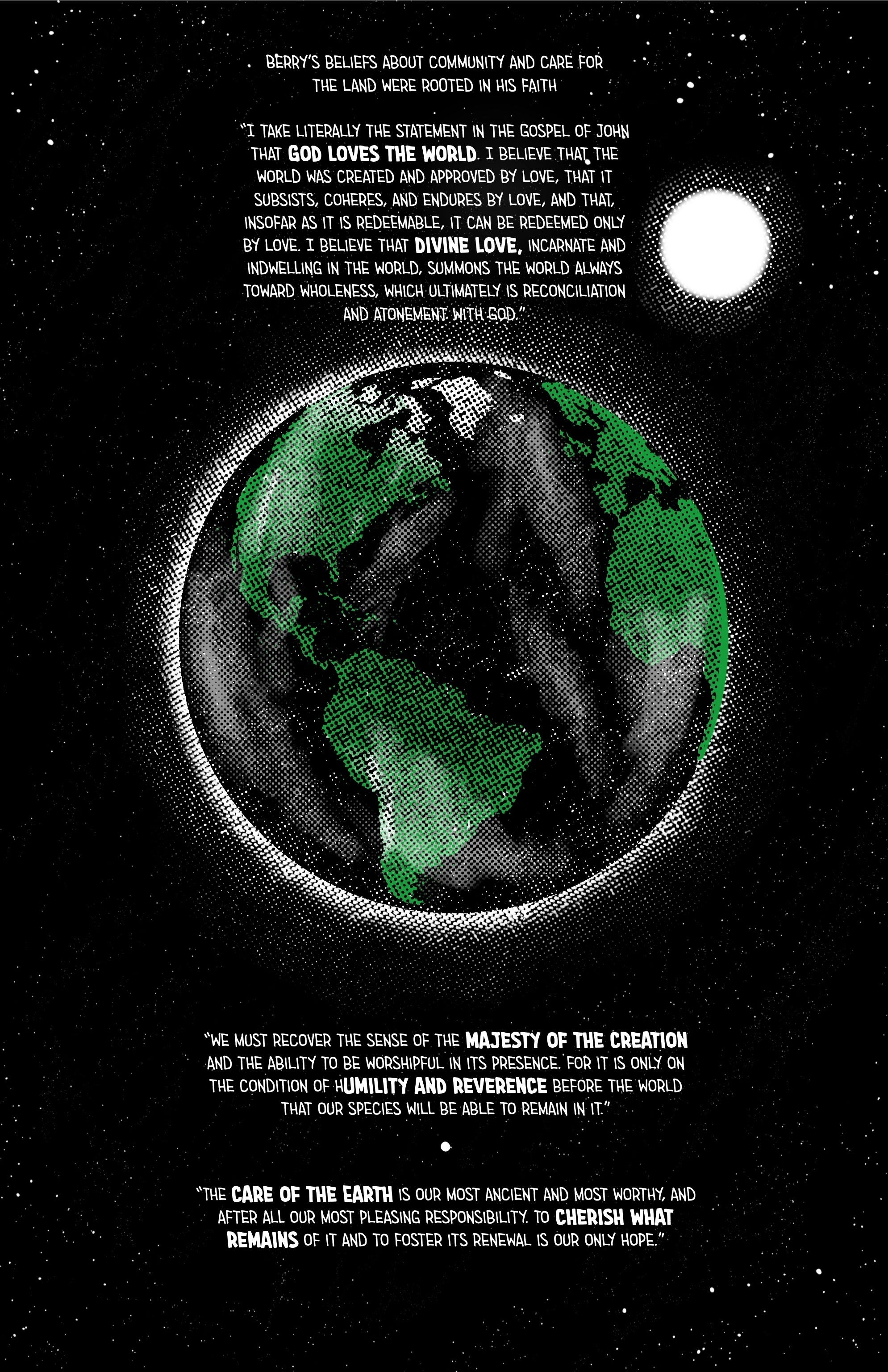
For a behind-the-scenes look at the Correll family, check out this video we put together and hear directly from the Correll’s themselves:
Read excerpts from our interview series with the Correll Family:
Seeking the Welfare of your Local Community: On restoring beauty, creating good work, and treating people with integrity
Salt and Light in a Small Town: A conversation on fair work, good stories, and caring for land and people
Faith and Farming: Preston Correll on sustainable agriculture and the stewardship of land
Stewardship in Practice: Preston Correll on land care, animal welfare, and how you can support your local farmers